Projects & Behind the Build
From First Sketch to First Climb: How a Bespoke Playground Is Designed and Built
The quality of the finished playground is shaped by hundreds of decisions made long before the first child climbs it.
By Got Children First Team · 11 September 2026 · 3 min read
The visible moment in a playground project is installation. The decisions that determine whether it succeeds begin much earlier: listening to users, understanding the ground, testing a concept and turning a sketch into something safe, durable and buildable.
1. Understanding the brief
The first stage is listening. Who will use the space? How many children arrive at once? What is already valued? Is the priority a gap in provision, a tired site or a new destination?
Budget, programme and constraints should be discussed honestly. An unclear budget often leads to concepts that need expensive reworking later. This groundwork is central to our approach.
2. Surveying the site
Topography, drainage, trees, access, underground services and boundaries all shape the answer. Ground conditions affect foundations. Construction access affects what can be brought to site and how work is sequenced.
In public settings, planning and community consultation may also influence the programme. In schools, holidays and safeguarding arrangements can define the installation window.
3. Developing concepts
Early sketches explore layout, character, routes, materials and key experiences. Presenting more than one direction can make trade-offs clearer and invite useful reaction.
Concept design is collaborative. Clients understand their community and daily operation. Designers translate that knowledge into space, structure and material.
4. Consulting children and stakeholders
Children can reveal needs that a measured survey cannot. Staff, playworkers, maintenance teams, neighbours and funders each see a different part of the project.
The purpose of consultation is not to count votes for a slide. It is to uncover patterns, concerns and opportunities that improve the brief.
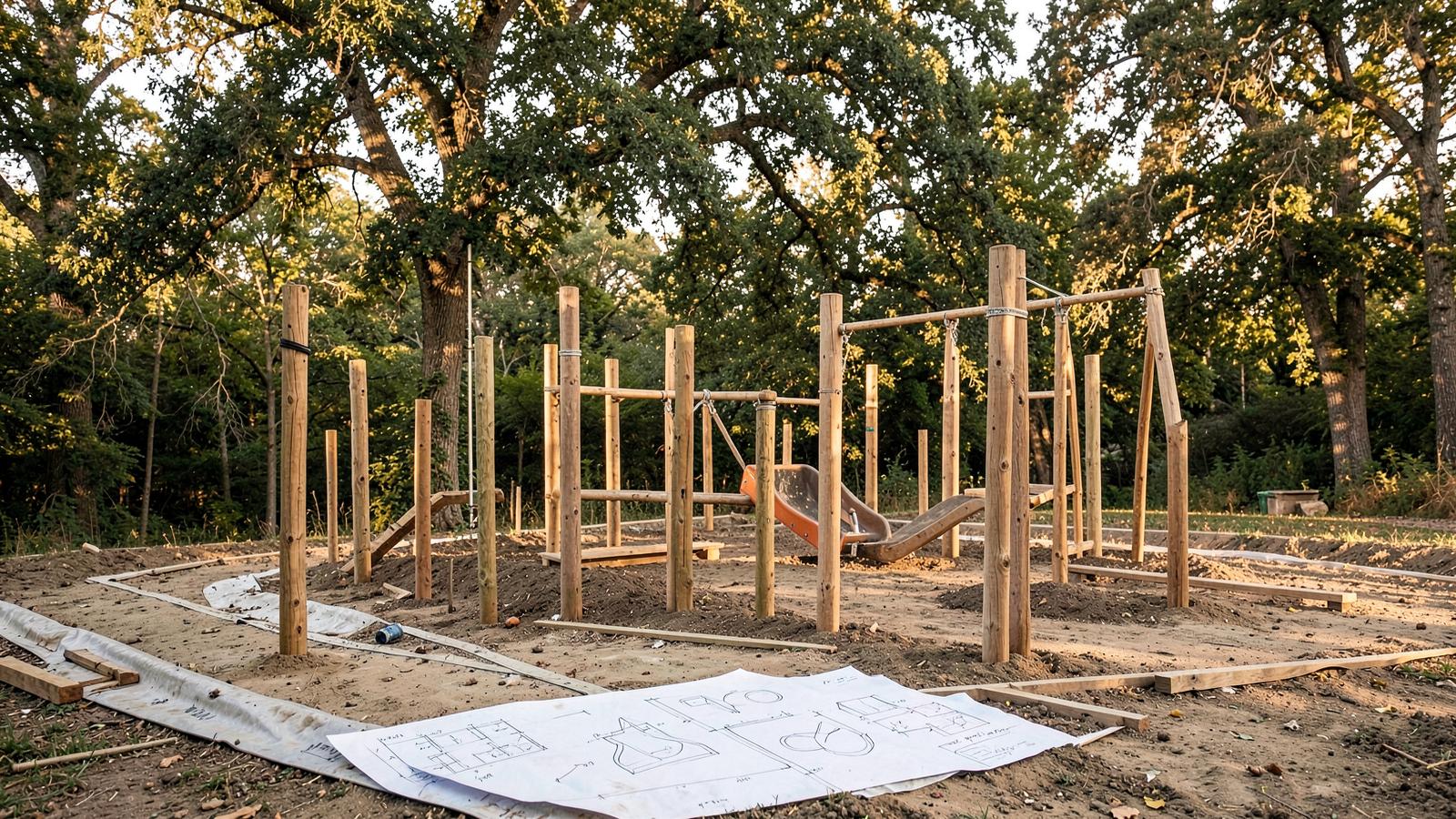
5. Producing detailed design
An agreed concept becomes dimensions, structural details, foundations, fall-height calculations, surfacing, drainage and material specifications. Safety standards and risk-benefit decisions are resolved here alongside the play intention. [SOURCE REQUIRED]
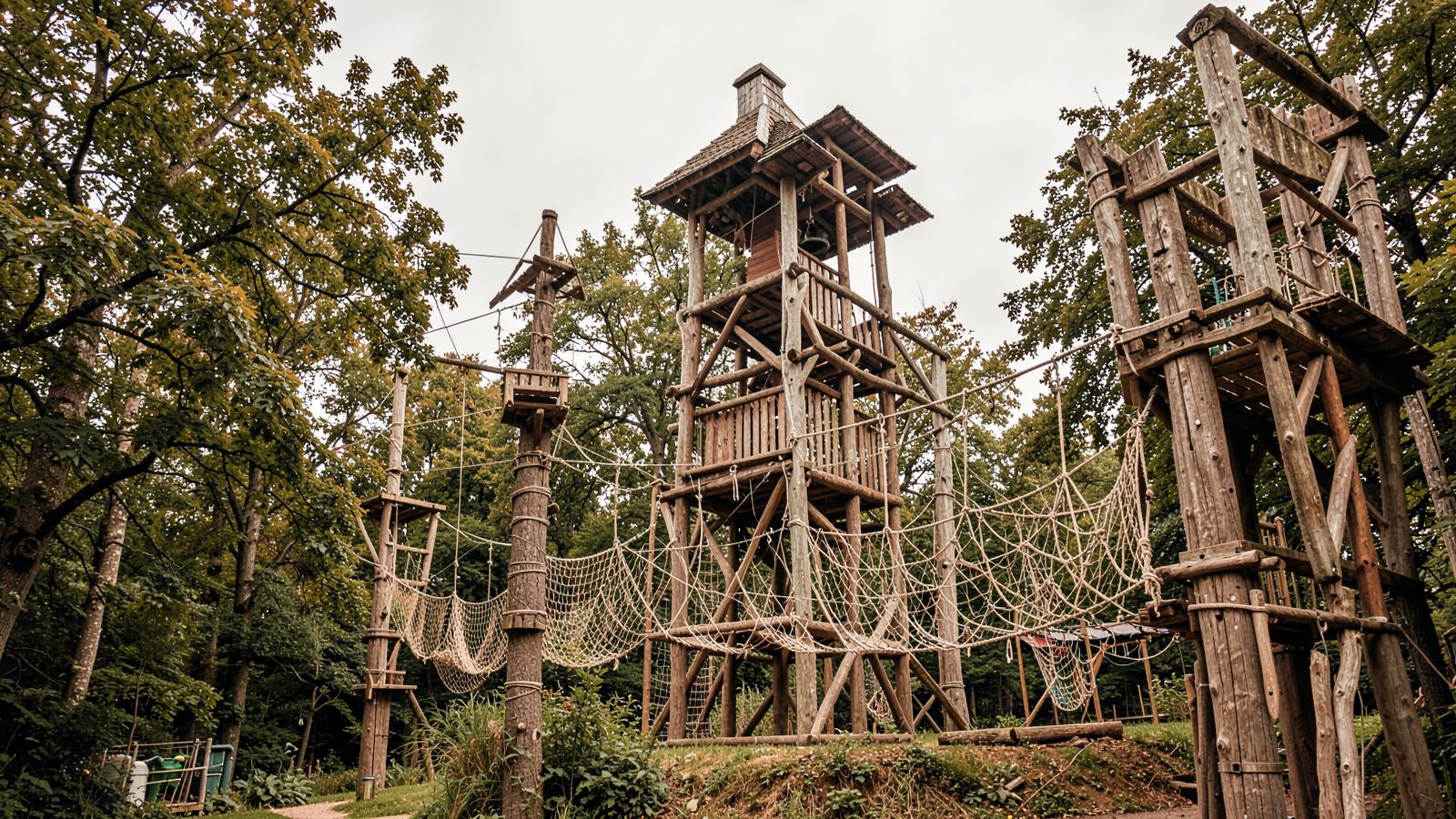
The range on What We Build shows the kinds of elements this can include, but details are developed for the particular project rather than copied from a fixed range.
6. Fabrication and site preparation
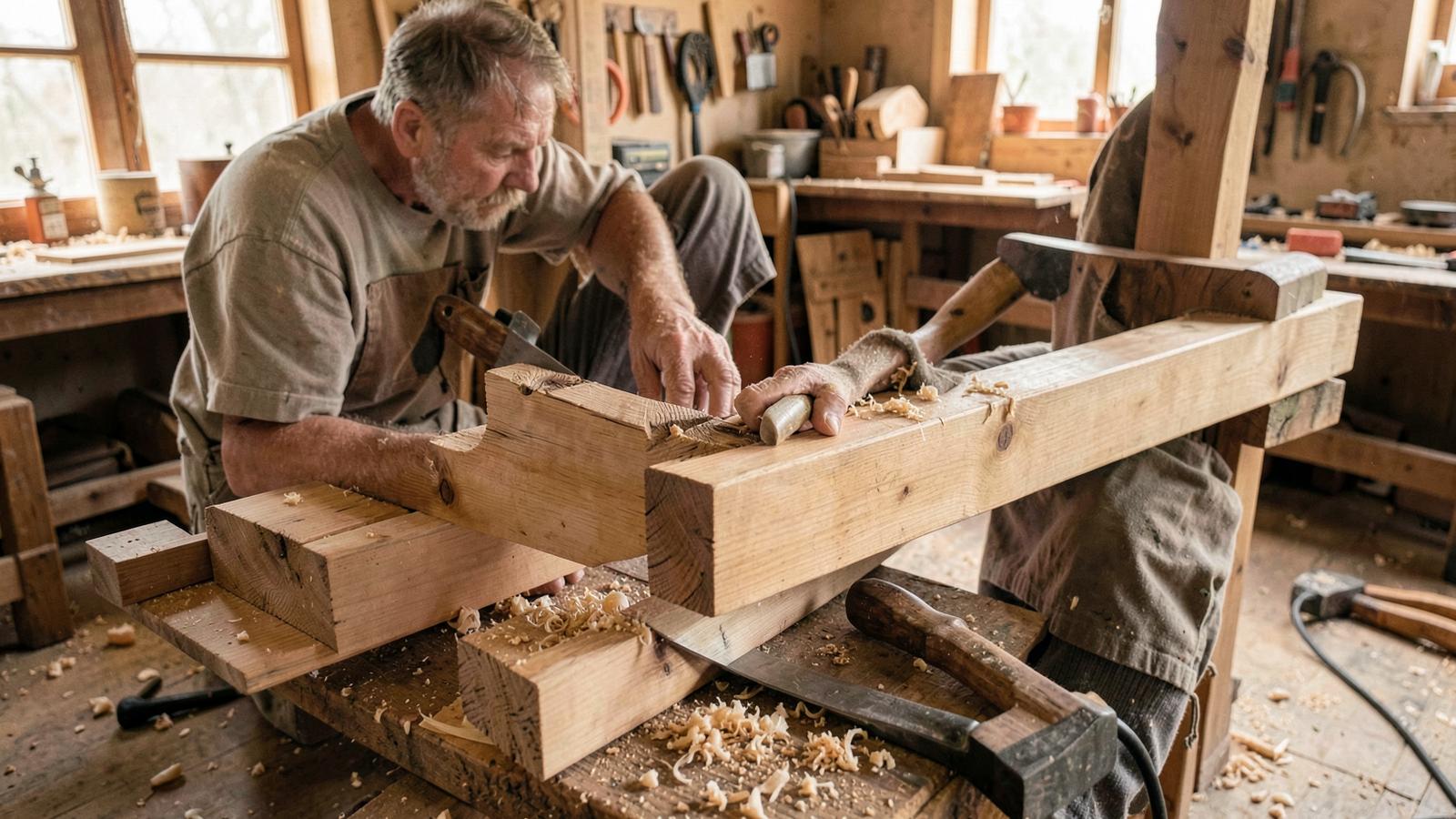
Components may be prepared off site while groundworks begin. Sequencing these strands carefully can keep a programme efficient. Skilled making matters: joints, rope connections, edges and finishes all influence how a structure feels and ages.
7. Installation
Foundations and structural elements come first, followed by play components, surfacing, landscape work and making good. The build team checks levels, connections and specifications throughout rather than waiting until the end.
Weather, discovered ground conditions and occupied sites can affect progress. A realistic programme includes room for careful work and clear communication.
8. Inspection and handover
Before opening, the finished playground should receive the appropriate independent inspection. The client should understand routine checks, operational inspections, maintenance, warranties and aftercare.
Then comes the part every drawing was working towards: children make the structure their own. They may use it exactly as imagined, or reveal possibilities nobody predicted.
Why the process matters
A bespoke playground is not simply a standard product with different colours. Its value comes from the connection between brief, site, play thinking, craft and delivery.
Our project stories show varied outcomes because the starting conditions were different. The consistent thread is a process designed to protect the play idea all the way from first sketch to first climb.