
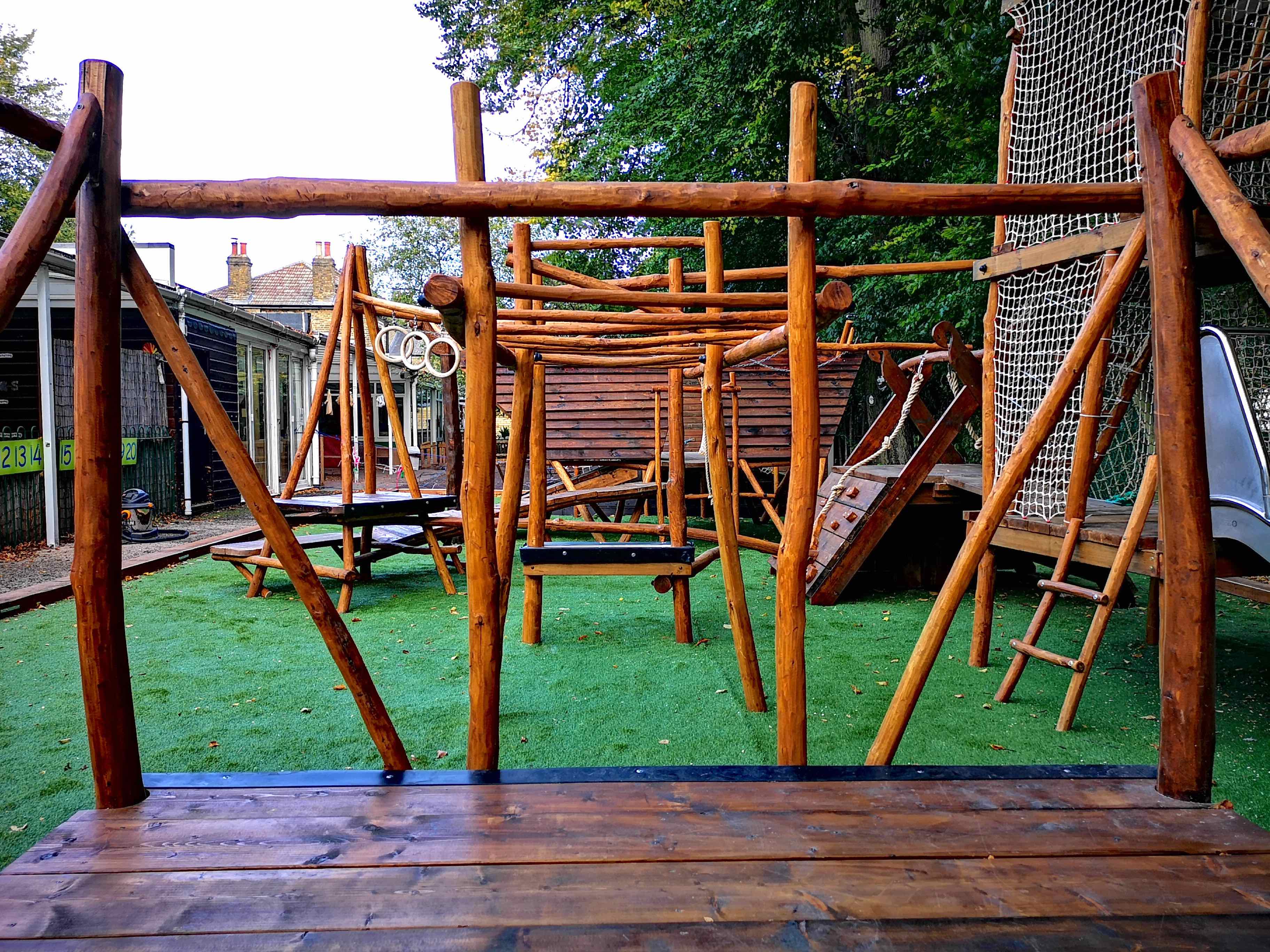
Climbing & challenge
Structures that encourage balance, coordination, movement and confidence.
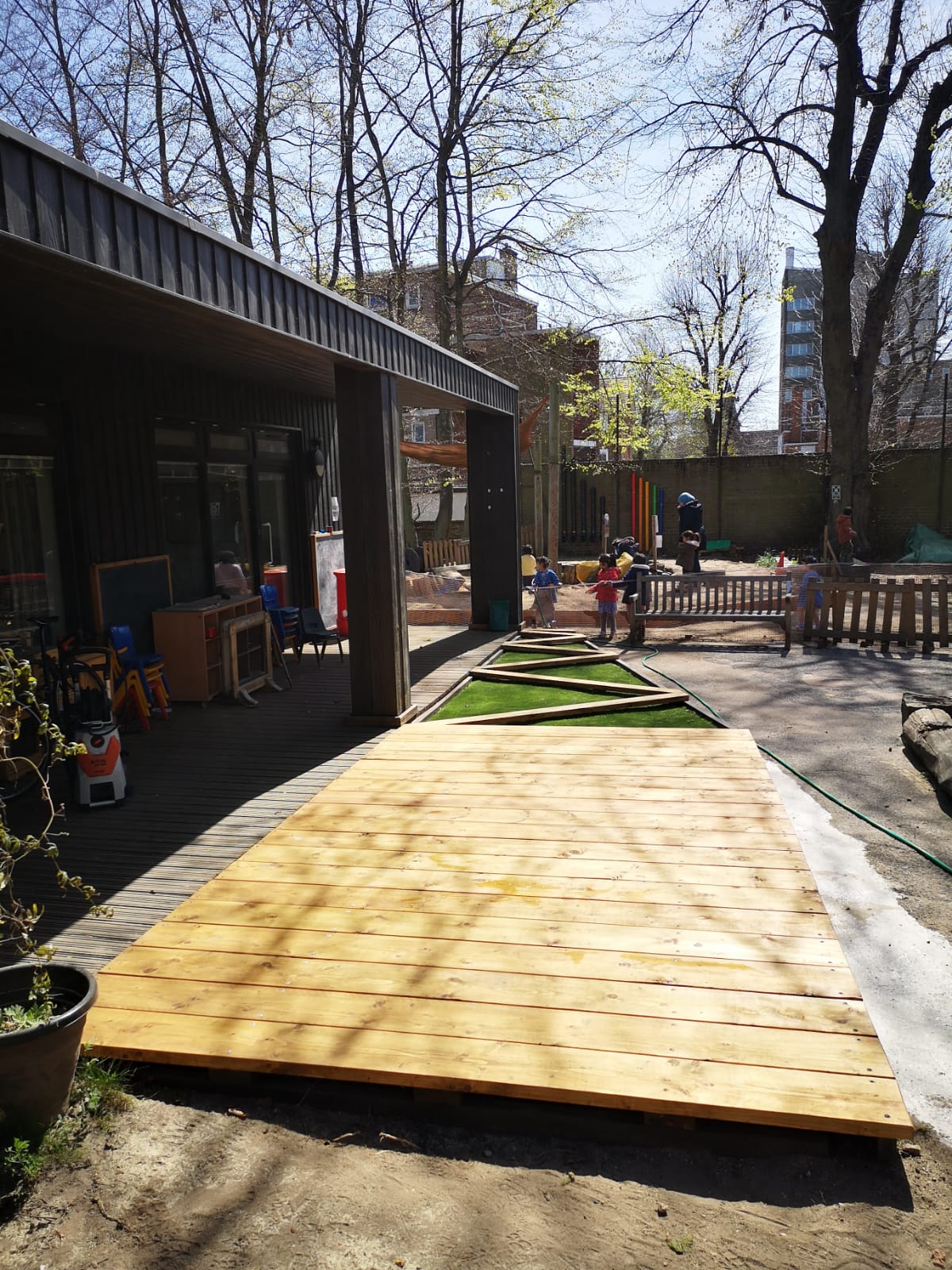
School playgrounds
Natural play spaces for primary schools that encourage movement, imagination, confidence and cooperation.
Got Children First designs bespoke playground environments that give children more ways to explore during breaktimes, lunchtimes and outdoor learning.
School playgrounds have a unique job. They need to provide exciting opportunities for hundreds of children while working within a highly supervised, time-limited and often space-limited environment.
We design spaces that encourage children to:
The goal is not simply to keep children occupied. It is to create an environment that gives different children different ways to engage.
Our approach
Spaces where many children can play at once, rather than a bottleneck around one feature.
Opportunities for children to test their balance, coordination and judgement.
Structures that naturally encourage teamwork, communication and shared imaginative games.
Environments that support lessons, performance and group activity beyond breaktime.
Not every child wants to climb to the top of a tower: quieter, sensory and ground-level play matters too.
Materials and construction chosen for the demands of school playground life.
What we build
School playgrounds have to serve hundreds of children in a short breaktime. Most schemes combine one headline structure with lower-key features that spread children right across the site.
Structures that encourage balance, coordination, movement and confidence.
Multi-level environments that create different ways to climb, meet and explore.
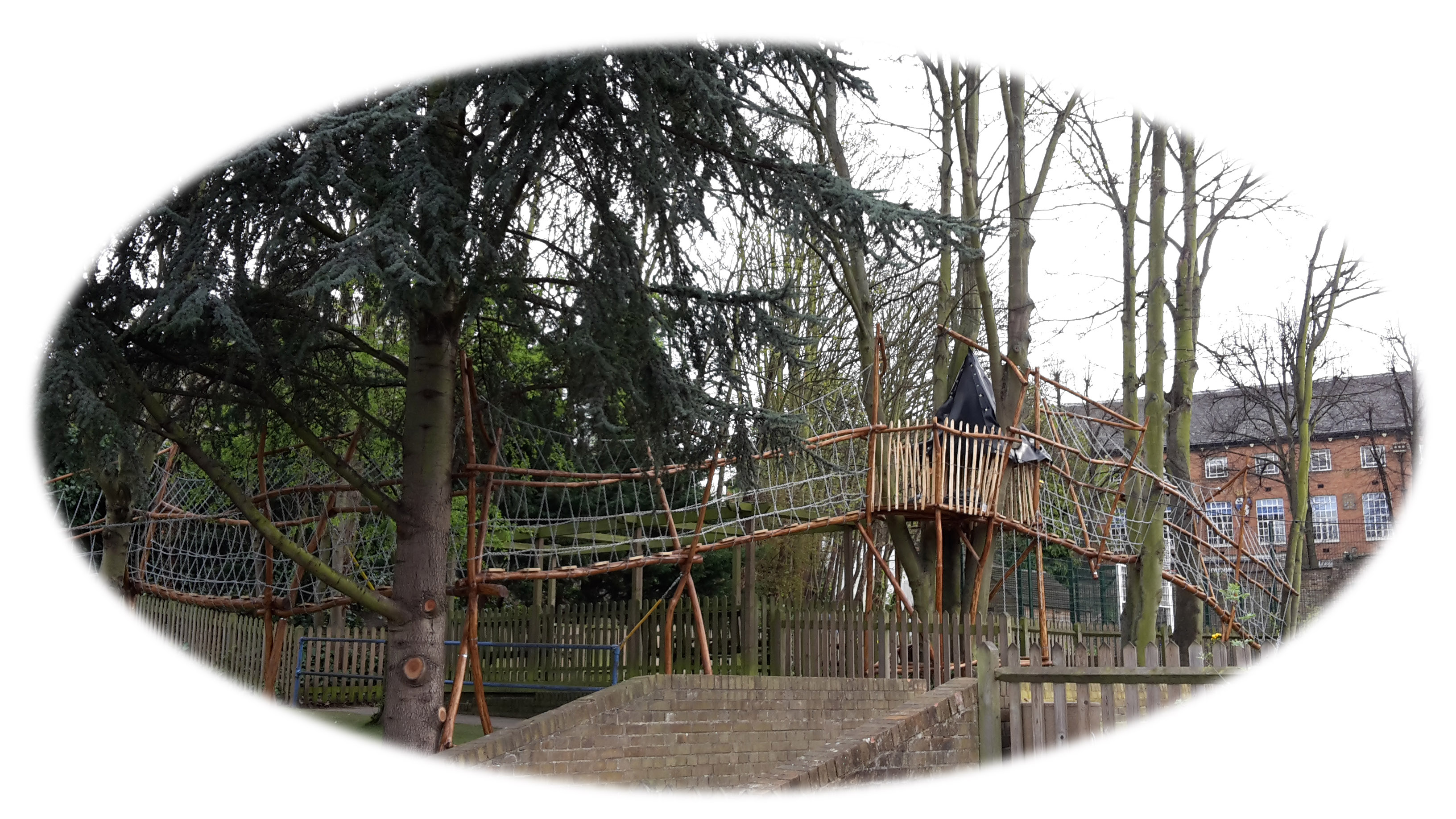
Play spaces that support imagination, making, experimentation and quieter interaction.
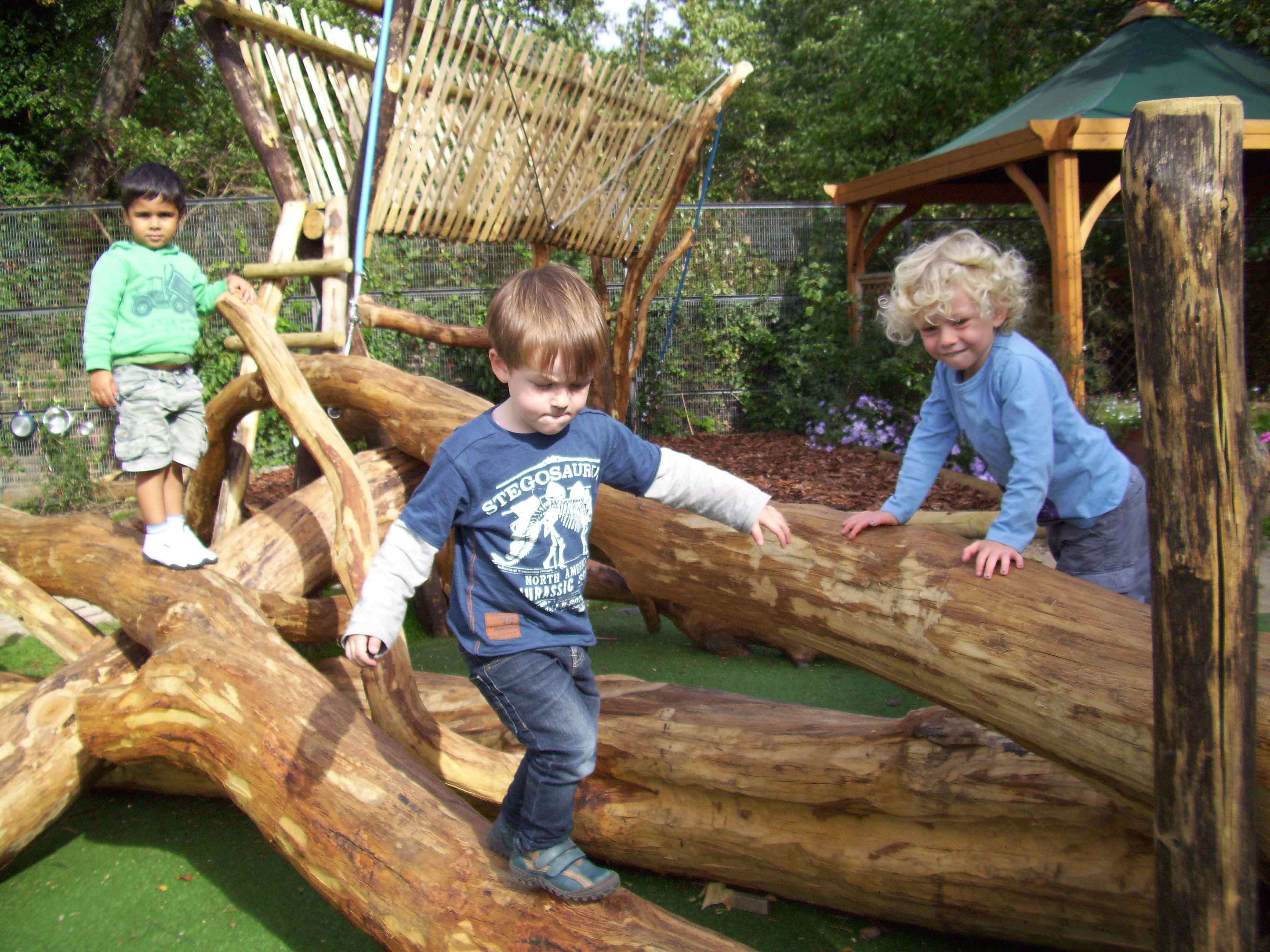
Balance logs, stepping elements, rope challenges and trails that make better use of outdoor space.
How we design
A richer play environment gives children different ways to engage during breaktimes and lunchtimes, rather than a playground that only rewards the most physically confident. The 16 Types of Play is how we check that balance before anything is built.
Safety, durability & practicalities
A playground only works if it works for the staff supervising it and the budget paying for it.
Relevant projects
Completed project
New Cross, London · Primary School
A raised timber walkway and treehouse structure that turned an underused corner of the school playground into the busiest part of the site at breaktime.
Treehouse • Walkway • Climbing access
View project →
Completed project
Bermondsey, London · Primary School
A performance stage and play-tree area built into the school grounds for assemblies, drama and unstructured climbing in the same space.
Timber stage • Play trees • Specialist decking
View project →
How a project works
Tell us about the site, the children, the budget and what the space needs to achieve.
We visit the site, understand the environment and identify the opportunities.
We develop a bespoke concept around the children, setting and intended play experiences.
Our team brings the design to life using carefully selected materials and skilled construction.
The structure is inspected, handed over and ready for children to make it their own.
FAQ
Where the site allows we can fence off a working area and build during term time, but most schools prefer holiday installations. We plan this with you.
We design for peak breaktime numbers, so a scheme is usually several linked play opportunities rather than a single item.
Yes. We often design around what you already have and replace only what has reached the end of its life.
Yes. We can design the whole playground and build it in phases.
We can supply designs, visuals and costs in a form suitable for PTA fundraising or grant applications.
Tell us about your school, the space available and what you would like children to get from it.